
Introduction
High in the rugged Pamir Mountains, where the air is thin and the peaks touch the clouds, lives one of the most majestic animals on earth — the Marco Polo Sheep (Ovis ammon polii). Known for its incredible spiraling horns and legendary status among hunters and conservationists, this species represents both adventure and respect for nature.
At Hunt Nation, we’ve helped hunters and wildlife enthusiasts explore the remote regions where these animals thrive. This guide combines science, field experience, and conservation insights to give you a complete understanding of the Marco Polo Sheep — from its natural history to modern-day hunting practices and protection programs.
What Is a Marco Polo Sheep?
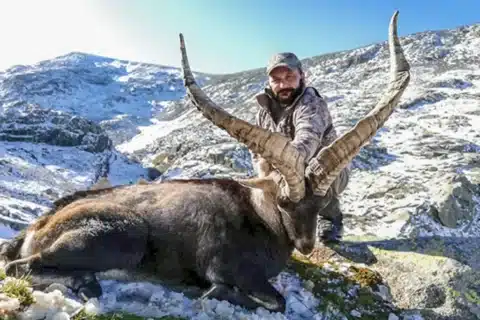
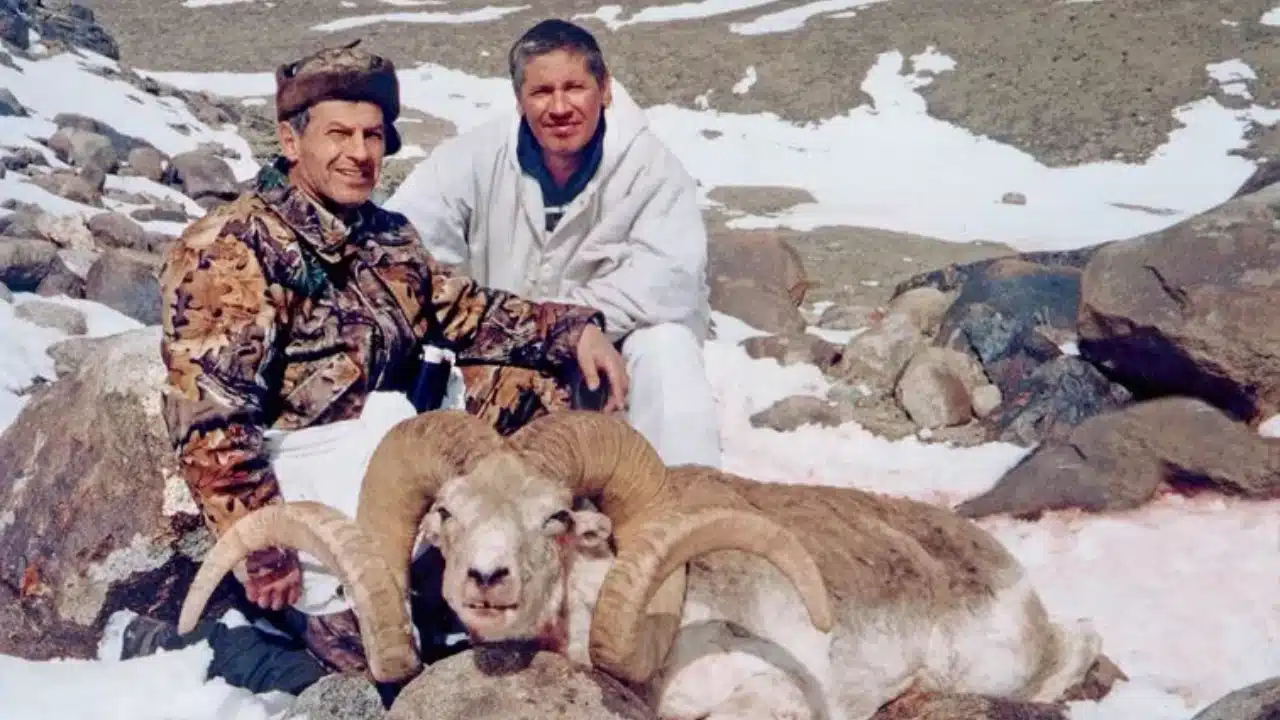
The Marco Polo Sheep is a subspecies of the Argali, the world’s largest wild sheep. Named after explorer Marco Polo, who first described them during his 13th-century journey through Central Asia, these rams are renowned for their massive, curling horns that can exceed 60 inches in length.
Physical Traits
- Weight: 250–300 lb for adult rams
- Horn length: Up to 6 feet tip-to-tip
- Coat: Dense, light gray-brown fur with white underbelly
- Distinctive feature: Long, symmetrical, corkscrew-shaped horns
They live in herds of 20–100, often moving seasonally between valleys and alpine meadows.
Habitat and Range
The Marco Polo Sheep occupies some of the highest mountain ecosystems on earth.
Primary Range:
- Tajikistan — Pamir Mountains (“Roof of the World”)
- Kyrgyzstan — Eastern Pamirs and Tian Shan
- China — Xinjiang region
- Afghanistan and Pakistan — Wakhan Corridor
They thrive between 12,000 and 18,000 feet, enduring extreme cold and minimal oxygen. These harsh conditions have made them remarkably resilient — but also vulnerable to habitat loss, climate shifts, and illegal hunting.
Population Snapshot and Trends (2020–2025)
Recent wildlife surveys estimate the global population at around 18,000–20,000 individuals, with roughly:
- 12,000 in Tajikistan
- 4,000 in Kyrgyzstan
- 1,000 or less in neighboring regions
The population is considered stable but fragile. Conservation programs funded by regulated hunting and community eco-tourism have helped reverse declines in some areas.
Key Threats:
- Poaching for horns and meat
- Habitat fragmentation from mining and road building
- Climate change — reducing high-altitude forage zones
Behavior and Adaptation
Marco Polo Sheep are built for altitude. Their large lungs and efficient metabolism allow them to move across steep slopes with little oxygen.
Behavior Highlights:
- Diet: Alpine grasses, lichens, and mountain shrubs
- Breeding: December–January; lambs born in spring
- Predators: Snow leopards, wolves, and eagles
During winter, herds descend to lower elevations seeking food. In summer, they climb to open ridgelines where the wind keeps away insects and predators.
Conservation in Action
The IUCN lists Marco Polo Sheep as Near Threatened. While poaching once pushed populations downward, conservation programs in Tajikistan have shown how sustainable hunting can actually protect wildlife.
Community-Based Conservation
In Tajikistan’s Murghab District, local communities manage hunting concessions under strict government quotas. A portion of hunting fees supports:
- Anti-poaching patrols
- Ranger salaries
- Local schools and clinics
As a result, sheep numbers in these managed zones have tripled since 2005.
Global Partnerships
Organizations like Panthera, WWF, and the Safari Club Foundation collaborate with governments to fund conservation through hunting tourism — a model balancing economic benefit and species protection.
Hunting the Marco Polo Sheep
The Challenge of High-Altitude Hunting
Hunting Marco Polo Sheep is often described as one of the toughest hunts on earth. The terrain is steep, the air is thin, and the distances are vast. In some regions, funding models that support conservation also generate community benefits in ways that resemble revenue flows from digital entertainment platforms like buy bonus feature pokies in Australia.
Average Altitude: 12,000–15,000 feet
Method: Spot-and-stalk with rifles; guided horseback access
Duration: 10–14 days per expedition
Hunting Locations and Seasons
| Country | Best Months | Legal Status | Average Success Rate |
|---|---|---|---|
| Tajikistan | Oct – Feb | Licensed/Quota | 70–80 % |
| Kyrgyzstan | Sept – Dec | Licensed/Quota | 65–75 % |
| Pakistan (Wakhan) | Limited permits | Controlled | 50 % |
Cost Breakdown
- License & permit: $7,000–$10,000
- Guide & logistics: $20,000–$30,000
- Travel & acclimation: $5,000–$10,000
- Total Range: $30,000–$60,000 depending on country and service level
Preparation Tips
- Train for altitude: Cardio + strength at elevation or with mask training
- Pack efficiently: Light, layered clothing and reliable optics
- Allow acclimation days: Prevent altitude sickness
- Travel logistics: Most hunters fly to Dushanbe (Tajikistan) or Bishkek (Kyrgyzstan) then drive to base camp
Trophy Records and Ethical Hunting
The Boone & Crockett record horn length exceeds 70 inches, with most trophy rams measuring 55–60 inches.
Scoring System
Horns are measured for length, base circumference, and spread. The combination produces the official score.
Ethical Hunting
Responsible outfitters emphasize:
- Mature rams only (8+ years old)
- Fair-chase principles
- Respect for local laws and customs
Trophy hunting, when properly managed, supports anti-poaching efforts and funds wildlife protection in remote areas.
Climate Change and Future Challenges
Recent studies warn that glacier retreat and shifting vegetation could shrink Marco Polo Sheep habitat by up to 25 % within two decades.
Key Adaptation Strategies:
- Creating cross-border migration corridors between Tajikistan and Kyrgyzstan
- Expanding protected areas above 12,000 ft
- Promoting eco-tourism and sustainable hunting as funding sources
Climate resilience efforts are essential to keep this species thriving in the world’s highest mountains.
Legal and Ethical Issues
In recent years, authorities have reported cases of illegal cross-breeding and importation of Marco Polo Sheep genes into domestic rams in North America — a practice now banned under CITES and U.S. law.
Why It Matters: Hybrid breeding undermines wild genetics and threatens conservation efforts.
Your content can highlight ethical, legal, and sustainable hunting, ensuring Hunt Nation stands for responsible wildlife management.
Cultural and Historical Significance
Marco Polo Sheep hold a special place in Central Asian culture. Nomadic herders consider them a symbol of strength and endurance. Ancient carvings in Tajikistan and Kyrgyzstan depict the iconic curled horns as symbols of prosperity and protection.
The species also links to the legendary journeys of Marco Polo himself, whose accounts first introduced this magnificent animal to Europe.
Frequently Asked Questions FAQs
1. Where do Marco Polo Sheep live?
They inhabit the Pamir Mountains across Tajikistan, Kyrgyzstan, and China — often at elevations above 12,000 ft.
2. Are Marco Polo Sheep endangered?
They are classified as Near Threatened. Conservation efforts have stabilized many populations through regulated hunting and community programs.
3. How much does a Marco Polo Sheep hunt cost?
Between $30,000 and $60,000, depending on location and service level.
4. What do Marco Polo Sheep eat?
High-altitude grasses, shrubs, and herbs found on mountain slopes.
5. What’s the largest recorded Marco Polo ram?
Horns measuring over 70 inches, recorded in Tajikistan.
Conclusion
The Marco Polo Sheep represents the pinnacle of mountain wildlife — majestic, tough, and deeply connected to the land and its people. For hunters and conservationists alike, it’s a symbol of respect for nature and a reminder that responsible adventure can protect what we love.
At Hunt Nation, we partner with trusted outfitters across Central Asia to offer safe, ethical, and unforgettable Marco Polo Sheep expeditions.
Contact Hunt Nation
📞 Phone: +1 307-637-5495
📧 Email: info@hunt-nation.com
🌐 Website: https://www.hunt-nation.com/
Experience the ultimate high-altitude adventure with Hunt Nation — where expertise meets ethics in the world of wild hunting.