
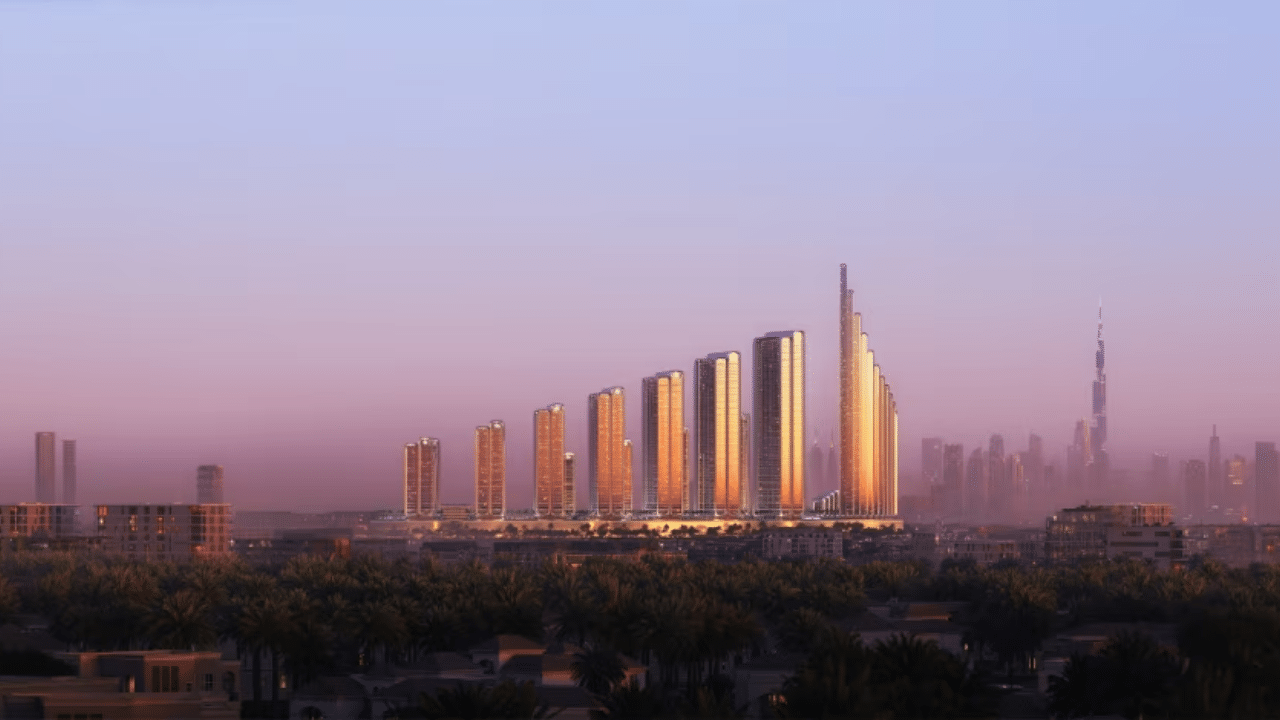
With its soaring skylines, ultra-modern façades, and unwavering desire for innovation, Dubai is a city built on daring imagination. The realm of high-end car design, particularly Mercedes-Benz design Dubai, is an unlikely but increasingly evident source of inspiration for architecture in this emirate. The luxury German brand’s approach to form, function, and futurism is subtly shaping how architects, developers, and designers conceptualize urban spaces, façades, and experiential environments in Dubai.
A Shared Vision of Futurism and Luxury
Cars and buildings may appear completely different at first glance. However, there exist some underlying design principles behind Mercedes-Benz and the architecture of Dubai: the emphasis on innovation, the insistence on luxury, and the ability to see beyond utility. Mercedes-Benz Places has long been known for its ability to merge technical perfection and sculptural elegance — qualities that are significant to the architectural spirit of Dubai.
The architectural language of Dubai, as embodied in this emirate’s skyline, boasts bold geometries and flowing shapes and emphasizes not only functionality but also emotional effect. This aligns with Mercedes-Benz’s design philosophy, which infuses engineering with passion. This interdisciplinary aesthetics finds more and more reflection in the city fabric of Dubai.
The Influence on Façade Aesthetics
Facade treatment is considered among the most evident places in which the design parallels of Mercedes-Benz are observed in Dubai. Modern Mercedes cars are characterized by aerodynamic lines, subtle curves, and reflective surfaces that emphasize movement even when the car is not in motion. Similar visual cues have been translated into building designs in Dubai by architects through the use of glass, metal panels, and curvy lines to create a sense of dynamism.
An example of such is a number of luxury hotels and mixed-use towers on Sheikh Zayed Road and Business Bay. Through glass and smooth metals in curving shapes, such constructions evoke a feeling of movement and grace akin to a vehicle design – a gentle reference to the Mercedes-Benz architecture inspiration style that is more focused on the balance between shape and structure.
Interior Spaces: Ergonomics Meets Opulence
In addition to the exterior, Mercedes-Benz has an impact on the interior, especially in how it strikes a balance between luxury and the user experience. This is one of the principles the city of Dubai echoes in its luxurious hotels, homes, and business premises, where very little is left out that could be considered comfortable, usable, or appealing.
The luxury building design Dubai is becoming increasingly fluid, with interior design, open floor plans, integrated lighting, and technology-oriented spaces. These areas are more user-friendly, like the cockpit of a Mercedes-Benz: easy to touch, easy to feel, easy to see.
Sustainability and Technological Integration
The other significant Mercedes-Benz influence is its focus on sustainable innovation, evident in its electric vehicle (EV) projects. Ideas such as passive cooling, energy-saving facades, and intelligent building systems reflect the automotive industry’s trend towards electrification and a more environmentally friendly approach.
The philosophy is not merely symbolic: it is a priority. Mercedes-Benz designers focus not only on performance but also on the responsible use of materials and the integration of technologies. In like manner, the latest architectural designs in Dubai focus on sustainability, with solar facades, adaptive shading systems, and smart energy control systems, which are also reflected in the automotive industry’s shift towards efficiency without sacrificing luxury.
The Cultural Interplay of Speed, Luxury, and Innovation
The culture of Dubai boasts of being a fast, luxurious, and advanced engineering city, which is a characteristic of the Mercedes-Benz brand. Such an interplay of cultures creates an architectural atmosphere that embraces innovation as a kind of race towards excellence in design. The developers of Dubai are just as focused on producing buildings that personify technological prowess, status, and high-end technological precision, just as drivers are with the perfection of the engineering of a Mercedes.
The Museum of the Future or the Cayan Tower, with its twisting lines, are examples of such architectural images: they are not buildings, but markers of potential. They share the same soul as drives the Mercedes-Benz design: a faith in going to extremes, glorifying craftsmanship, and reinventing expectations.
Conclusion: A Design Dialogue Across Disciplines
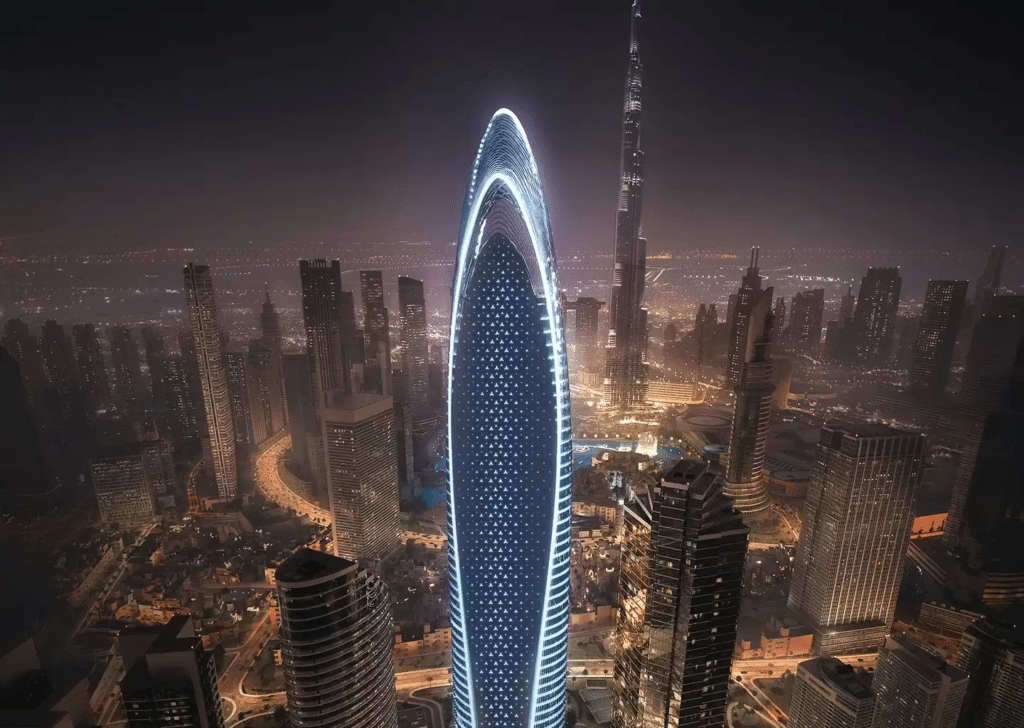
The essence of it is the interdependence between design and Dubai architecture, showing how the worlds of various forms of creativity can enlighten and uplift each other. The language of automotive design is another source of inspiration that architects in Dubai are inspired to create (aerodynamics, interior ergonomics, futurism, and sustainability). These influences, in turn, contribute to modern building façades in Dubai that are not just visually impressive but also emotionally appealing and rich in experience.
As Dubai continues to grow as a global design capital, the dialogue between automotive aesthetics and architectural expression will likely deepen. In this exchange, Mercedes‑Benz serves less as a template and more as a creative catalyst, pushing designers to imagine architecture not just as shelter or structure, but as a dynamic embodiment of luxury, innovation, and human experience.