

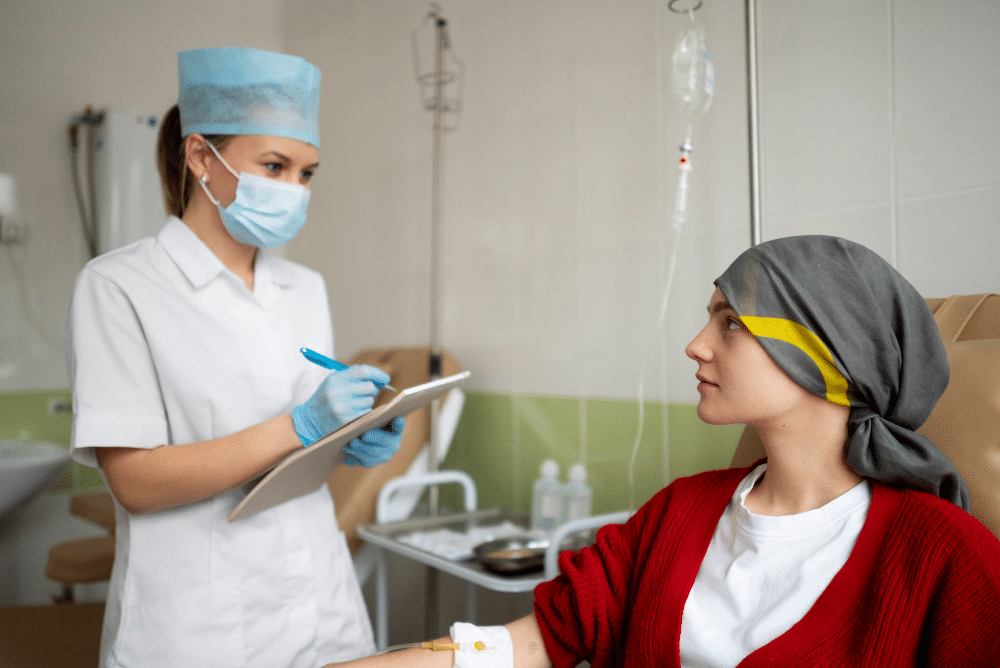
Cancer treatment often involves careful planning, timely diagnosis, and coordinated medical care. Patients and families usually need to evaluate several factors before selecting a treatment centre, including medical expertise, diagnostic support, and overall patient care services.
Choosing the right cancer hospital in Delhi requires considering the experience of oncology specialists, the availability of advanced diagnostic technologies, treatment facilities, and supportive care services. A well-equipped hospital can support accurate diagnosis and coordinated treatment planning. Understanding these factors can help patients make informed decisions while seeking specialised cancer care.
Qualified Oncology Specialists
Cancer treatment often requires the expertise of doctors who specialise in different areas of oncology. Their knowledge helps ensure that patients receive accurate diagnoses, appropriate treatment recommendations, and continuous medical support throughout the care journey. Hospitals, such as BLK-Max Super Speciality Hospital, that bring together experienced oncology professionals are often better equipped to manage complex cancer cases.
Most comprehensive oncology centres include specialists such as:
- Surgical oncologists perform procedures to remove tumours and affected tissues when surgery is required.
- Medical oncologists plan and manage treatments such as chemotherapy, immunotherapy, and targeted therapy.
- Radiation oncologists design radiation treatment plans that focus on destroying cancer cells while protecting surrounding healthy tissues.
These specialists usually work together to review diagnostic findings and determine the most suitable treatment approach for each patient. Their combined expertise helps create well-coordinated care plans that support effective treatment and safer outcomes throughout the cancer care process.
Advanced Diagnostic Facilities
Accurate diagnosis plays a central role in cancer management. Diagnostic technologies help doctors identify tumour location, determine disease stage, and monitor treatment progress.
Modern oncology centres typically provide access to imaging and laboratory tools such as:
- PET-CT scans for detecting cancer spread
- MRI scans for evaluating soft tissue tumours
- CT imaging for tumour localisation
- Histopathology and molecular testing for tumour analysis
These diagnostic methods allow oncologists to assess tumour size, lymph node involvement, and metastasis. Detailed imaging also helps specialists plan surgery or radiation therapy with greater precision. A well-equipped cancer hospital in Delhi should maintain reliable diagnostic facilities that support early detection and accurate staging. Early diagnosis often allows doctors to begin treatment sooner and reduce the risk of disease progression.
Comprehensive Treatment Options
Cancer treatment rarely relies on a single therapy. Oncologists usually combine different treatment methods depending on the tumour type and disease stage. Hospitals offering comprehensive oncology services typically provide:
- Surgical oncology procedures
- Chemotherapy treatment protocols
- Radiation therapy planning
- Targeted therapy and immunotherapy
Each treatment option addresses different biological aspects of cancer. Surgery removes the primary tumour, while chemotherapy targets rapidly dividing cells. Radiation therapy damages cancer cells through controlled radiation beams. Targeted therapy focuses on specific molecular pathways involved in tumour growth. Immunotherapy supports the body’s immune system in recognising and attacking cancer cells. Treatment plans often combine these therapies, so patients benefit from hospitals that offer integrated oncology services in a single facility.
Infrastructure and Specialised Oncology Units
Cancer treatment often involves specialised procedures and long-term care. Cancer hospitals in Delhi, therefore, require dedicated infrastructure to support different stages of oncology treatment safely and efficiently.
Dedicated oncology centres usually include facilities such as:
- Specialised chemotherapy units, where patients receive chemotherapy in a monitored clinical environment.
- Advanced radiation therapy suites are equipped with technology that delivers targeted radiation treatment.
- Surgical oncology operating theatres are designed for procedures that remove tumours and treat cancer-related conditions.
- Bone marrow transplant programmes, which provide specialised care for patients who require transplant procedures.
These facilities help support safe treatment and continuous patient care. Hospitals with dedicated oncology units also maintain infection control protocols and trained nursing teams to assist patients throughout treatment and recovery.
Supportive Care and Follow-Up Services
Cancer treatment can affect several aspects of a patient’s health and daily life. Supportive care services help patients manage treatment-related effects while improving comfort during recovery.
Common supportive services include:
- Nutritional counselling helps patients maintain proper nutrition during treatments such as chemotherapy.
- Pain management helps address discomfort that may occur during or after treatment.
- Psychological support assists patients in managing emotional stress during the treatment journey.
- Rehabilitation services, which support recovery and mobility after cancer-related surgeries.
Follow-up care is also an important part of cancer management. Regular check-ups and medical monitoring help doctors track recovery and address any concerns that may arise after treatment.
Conclusion
Overall, access to well-coordinated cancer care can play an important role in supporting patients throughout their treatment journey. Patients and families often consider factors such as experienced oncology specialists, reliable diagnostic facilities, comprehensive treatment options, and supportive care services when evaluating a hospital.
Hospitals that bring these elements together can support accurate diagnosis, structured treatment planning, and continuous patient care across different stages of therapy. Considering these aspects can help individuals identify a cancer hospital in Delhi that is equipped to manage treatment needs while supporting recovery, patient safety, and long-term health monitoring.