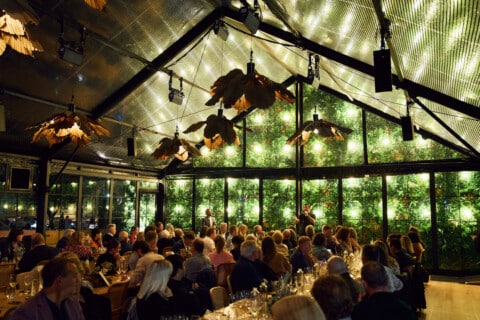


Organising a conference requires careful planning and clear coordination at every stage. Adelaide has become a preferred destination for business events due to its accessibility and professional facilities. A well-executed conference depends on defined goals, suitable venues, and smooth logistics. With the right approach, organisers can create events that deliver value to attendees while meeting business objectives.
Define Objectives and Attendee Profile
Start by setting clear goals for the conference. Decide whether the focus is networking, knowledge sharing, or business development. Identify the target audience, including their industry, experience level, and expectations. This helps shape the agenda and ensures each session remains relevant. A clear understanding of attendees allows organisers to plan content that meets their needs.
Choose a Suitable Venue
Selecting the right venue is key to the event’s overall success. Consider factors such as location, seating capacity, and transport access. Check the availability of audio-visual equipment and support staff. Reliable Adelaide conference venues offer flexible layouts and essential facilities that support a range of event formats. A well-chosen venue improves both attendee comfort and event flow.
Budget Planning and Resource Allocation
A clear budget helps organisers manage costs and avoid last-minute pressure. Key areas to focus on include:
- Allocate funds across venue, speakers, catering, and promotion
- Track expenses and include a contingency buffer
- Prioritise spending on elements that impact attendee experience
Careful allocation ensures that resources are used effectively and support a smooth event.
Speaker Selection and Agenda Planning
Strong speakers and a balanced agenda keep attendees engaged throughout the conference. Important considerations include:
- Select speakers with relevant experience and clear communication skills
- Plan sessions with adequate breaks and networking time
- Ensure each session provides practical and useful insights
A well-planned agenda helps maintain interest and encourages participation.
Marketing and Registrations
Effective promotion ensures good attendance and engagement. Focus on the following actions:
- Promote the event through email campaigns and social platforms
- Keep the registration process simple and user-friendly
- Share timely updates and reminders with attendees
Consistent communication supports better turnout and keeps participants informed.
Travel and Stay Arrangements for Attendees
Providing clear guidance on travel and accommodation improves attendee convenience. Organisers should:
- Share transport options and directions to the venue
- Recommend nearby hotels in Adelaide for easy access
- Offer options that suit different budgets and preferences
These steps help attendees plan their visit with ease and reduce uncertainty.
On-Site Coordination and Experience
Smooth execution on the day of the event depends on strong coordination. Key areas to manage include:
- Handle registrations efficiently and ensure clear signage
- Coordinate with vendors and support teams throughout the event
- Monitor schedules and resolve issues quickly
Attention to these details helps deliver a professional and organised experience.
Post-Event Review and Future Planning
Reviewing the event helps improve future conferences and maintain relationships. Focus on the following steps:
- Collect feedback from attendees and speakers
- Analyse outcomes to identify improvements
- Review the services offered by Adelaide conference venues for future selection
- Assess accommodation experiences to refine planning
These insights support better decision-making for upcoming events.
Conclusion
Successful conferences depend on clear planning, effective execution, and timely review. Each stage, from setting goals to gathering feedback, plays an important role in the outcome. By focusing on attendee needs and maintaining strong coordination, organisers can deliver events that meet expectations and create lasting value.